Kenya’s FMCG market needs a machine-readable trade base
Kenya is one of Africa’s most important FMCG markets. Urban growth, changing consumer preference, and a dense traditional-trade base make the country commercially significant and

Kenya is one of Africa’s most important FMCG markets. Urban growth, changing consumer preference, and a dense traditional-trade base make the country commercially significant and

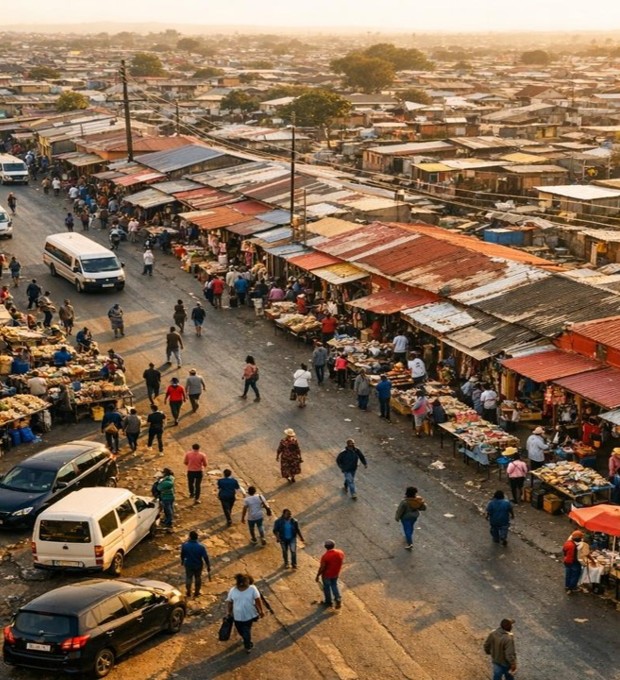
FMCG growth depends on knowing where trade actually exists. In fragmented markets, that is rarely obvious. Outlets open, close, move, split, merge, shift format, change

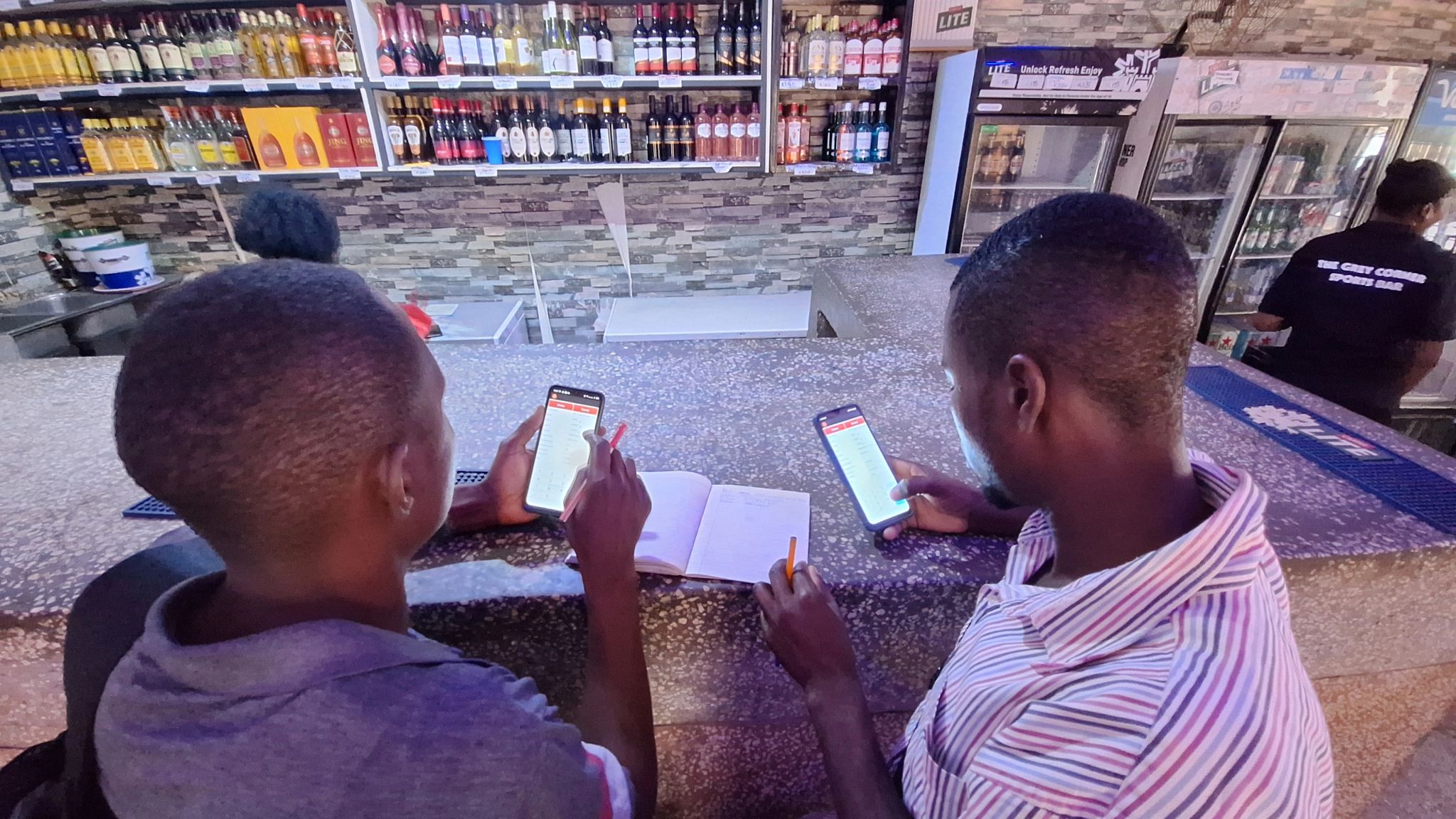
Tanzania’s beverage trade is too dense to read from the top down. Movement happens in the store. It happens at the cooler, on the shelf,

Uganda’s offline trade is dense, fragmented, and commercially decisive. It is also under-measured where movement actually happens: at the store shelf, at the cooler, on

Frontline Research Group (FRG) built the outlet base. Native turns it into Lattice: a living map for offline trade. Native is the operating system for

In fragmented retail markets, advantage belongs to the companies that can read competitor movement, route-to-market structure, execution quality, and trader behaviour at store level. Competition

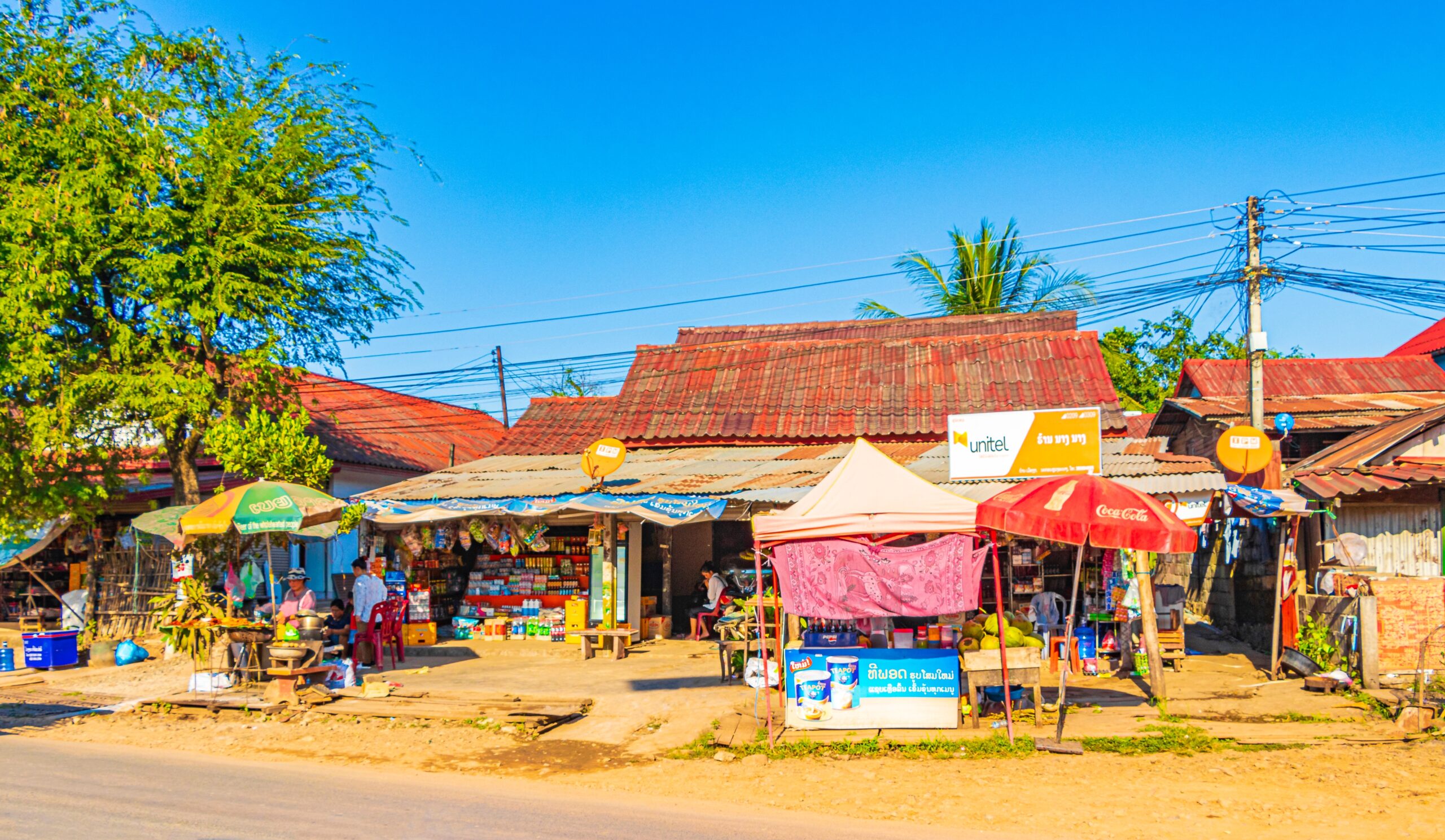
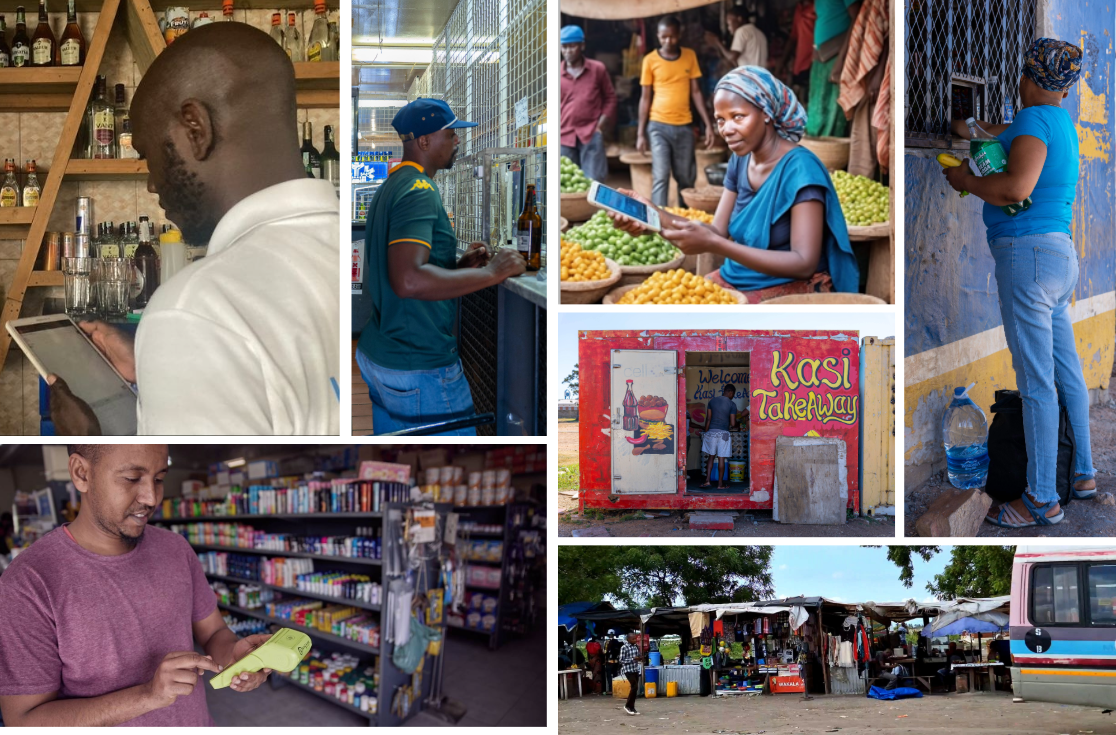
A store-level view of dukas, kiosks, open markets, and independent wholesalers gives FMCG leaders a clearer way to see distribution, pricing, availability, and category movement.

Market intelligence in Traditional Trade is still analog. Store conditions change every day, but the systems used to read them often move too slowly, too

Traditional trade remains one of the largest analogue channels of trade in the world. Across Africa, millions of stores still operate outside conventional digital systems.

For decades, market intelligence has answered one question. What happened? Passed tense. How products were distributed. Where they were stocked. How pricing has changed. Which